

What Makes Pepperoni the All-Time Favorite in Pizza Restaurants?
Pepperoni is undeniably one of the most beloved pizza toppings, renowned for its characteristic spicy flavor and inviting aroma. Its popularity transcends geographical boundaries and demographic preferences, making it a staple on menus across various pizza restaurants worldwide. This article explores the enduring appeal of pepperoni, examining its history, flavor profile, cultural significance, economic impact, and future in the pizza industry. By understanding the factors that contribute to pepperoni's dominance, we can appreciate why this topping has become almost synonymous with pizza. Join us as we delve into what makes pepperoni an all-time favorite.
Chronicling the History of Pepperoni in Pizza
Pepperoni has roots tracing back to Italian-American culture, where it emerged as an evolution of traditional Italian cured meats. Although not authentically Italian, pepperoni draws inspiration from salami products in Italy. Immigrants in the early 20th century popularized these adaptations, leading to pepperoni as we know it today. The term "pepperoni" itself is derived from the Italian word "peperoni," meaning bell pepper, a nod to the spicy flavors brought from abroad. As it gained popularity, unique spice mixes were developed to match the American palate.
The introduction of pepperoni on pizza began in the United States around the 1950s. It quickly became a favorite due to its convenient size and compatibility with mozzarella cheese and tomato sauce. By the 1960s, pepperoni pizzas were becoming a staple in households and pizza restaurants throughout the country. This widespread acceptance marked a significant shift in pizza culture, transitioning it from a simple cheese-and-tomato dish to a canvas for culinary creativity.
Traditional pepperoni was characterized by a straightforward blend of pork, beef, and spices. Over time, modern interpretations introduced variations, including turkey or vegan pepperoni, to cater to diverse dietary preferences. Key milestones in pepperoni's history include its introduction in mass-market frozen pizzas during the 1970s, which revolutionized how families consumed the dish. Today, pepperoni remains integral to the identity of pizza restaurants everywhere, representing a legacy of culinary innovation and cultural adaptation.
Analyzing the Flavor Profile of Pepperoni
Pepperoni's distinctive flavor comes from a precise blend of spices, primarily paprika, garlic, and fennel. The addition of cayenne or crushed red pepper gives it a signature kick, appealing to those who enjoy spicier foods. This flavor combination creates a robust and savory profile that contrasts perfectly with the mild, creamy taste of mozzarella cheese. The resulting taste experience is complex yet universally appealing, adapting over time with subtler spice blends to cater to more sensitive palates.
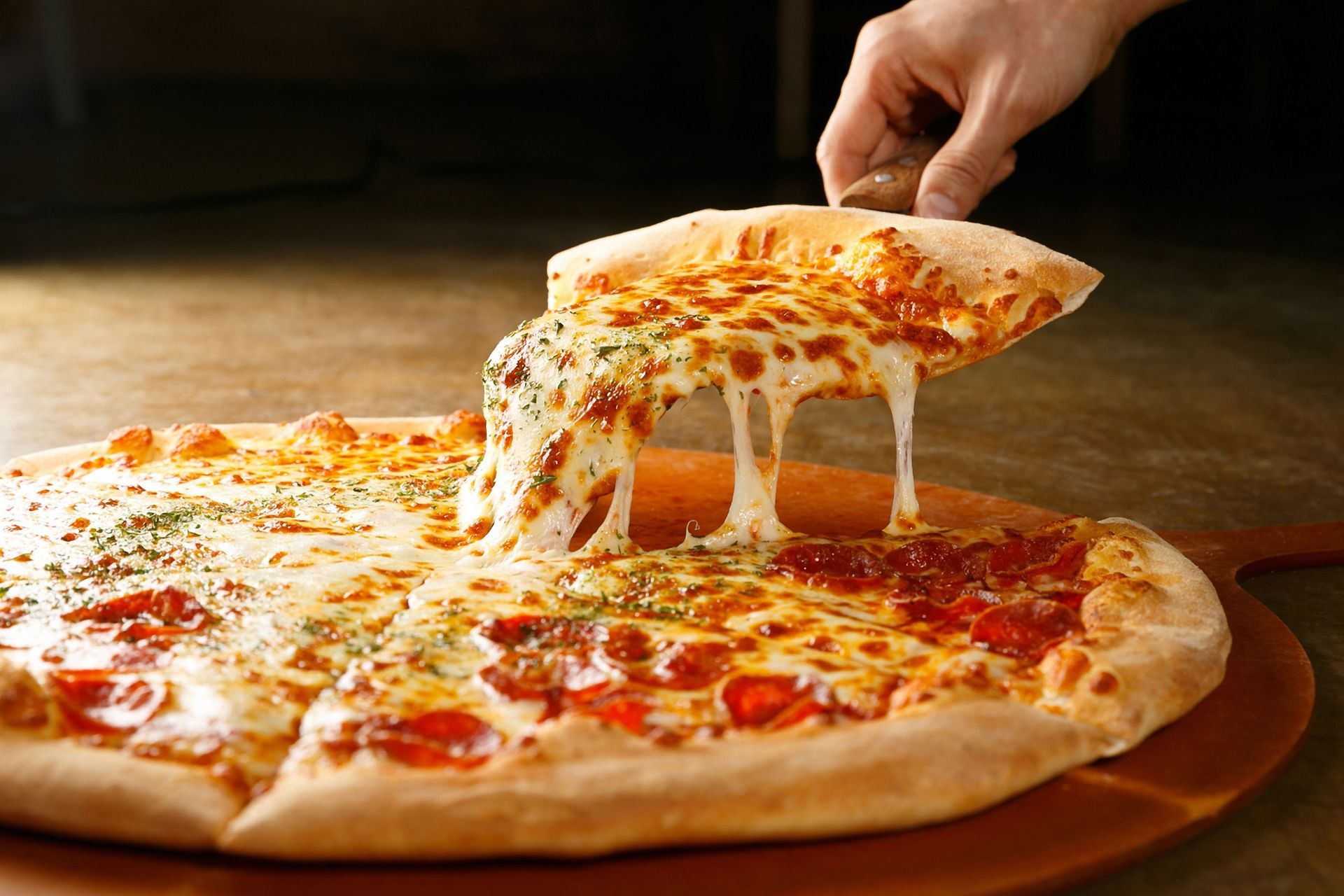
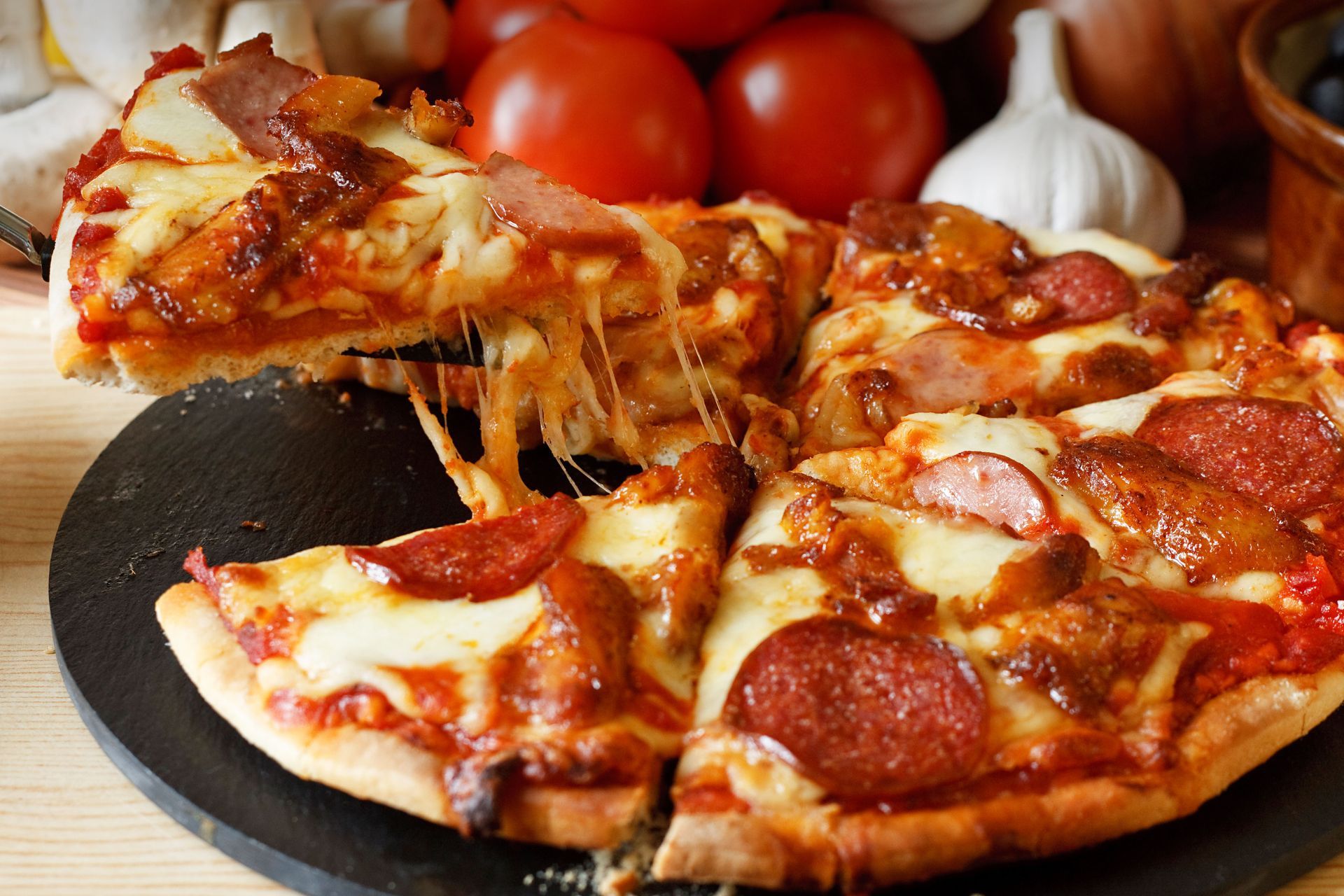
Texture plays a crucial role in pepperoni's allure, contributing to the entire sensory experience. When cooked, pepperoni slices curl and crisp at the edges, providing a satisfying crunch. This textural contrast complements the chewy, doughy base of the pizza, offering variety with each bite. The oil released during cooking melds with the pizza's cheese, enhancing flavor and moisture, which helps separate the top pizza restaurants from average ones.
The aromatic qualities of pepperoni are equally crucial to its universal appeal. Its scent, rich with spices and smoked meats, entices diners before they even take a bite. Pepperoni's flavor is further elevated through its interplay with cheese and sauce. Mozzarella balances pepperoni's bold, spicy flavor, while tomato sauce's acidity undercuts the richness. These components together form a trio that defines traditional pizza taste, keeping customers coming back for more.
Examining the Cultural Influence of Pepperoni Pizza
Pepperoni pizza has become a flag-bearer for American culinary ingenuity, aligning with cultural landmarks and signifying the blend of immigrant influences with New World innovation. Celebrated in events like National Pizza Day, pepperoni pizza often takes center stage in what defines American pizza culture. Its prevalence in households makes it synonymous with casual dining experiences, transforming it into an emblem of American culinary identity.
Film and television regularly feature pepperoni pizza, representing iconic imagery of relaxation and friendship. This repeated portrayal forms a cultural narrative, linking pepperoni pizza to moments of joy and community. Globally, the influence of pepperoni pizza is evident in localized variants where it is adapted to suit regional flavors and ingredients. Its straightforward and bold flavor profile translates well across different culinary backgrounds, allowing it to fit into a variety of international markets.
Whether at birthday parties, sports events, or casual get-togethers, its presence is often anticipated and appreciated by guests of all ages. The convenience of sharing a pepperoni pizza contributes to communal experiences, fitting well into group settings where sharing is key. In pizza restaurants, the act of ordering pizza with pepperoni evokes traditions of dining out or ordering in, fostering genuine connections over a universally appreciated taste.
Assessing the Economic Impact of Pepperoni Pizza
Pepperoni remains a consistent top seller in the pizza market, driving significant revenue within the fast-casual restaurant industry. Its popularity, however, stands amidst a backdrop of fluctuating broader pizza industry trends. According to Ibis World, pizza restaurant revenue has been falling at a CAGR of 2.9% over the past five years and is expected to reach $49.5 billion in 2025. Despite the challenges faced by the broader market, pepperoni's consistent appeal bolsters its sales performance.
Owners of pizza restaurants recognize pepperoni as an essential menu item, frequently promoting it as a default option or upgrade to entice consumers. The inclusion of pepperoni in promotional deals and value offers further underscores its importance to business strategies. Any significant deviation from offering pepperoni could risk alienating a loyal customer base accustomed to its flavor. Therefore, pepperoni's role is integral in shaping menu offerings to match consumer preferences.
Ongoing innovation in the realm of pepperoni includes developing healthier and plant-based alternatives. As consumers demand more sustainable and health-conscious options, manufacturers have responded with lower-fat versions and meatless pepperoni. Keeping the price of pepperoni pizza competitive while maximizing profit is a careful balancing act for the industry. Through these advancements, the pepperoni segment continues to provide opportunities for growth and diversification.
Predicting the Future of Pepperoni in Pizza
Despite the rise of creative and exotic pizza toppings, pepperoni's legacy appears secure. Consumer preferences continually embrace new options, yet pepperoni's timeless appeal endures. Its incorporation in pizza chains, convenience stores, and artisanal pizza restaurants demonstrates ongoing consumer demand. While tastes may occasionally shift toward unique offerings, pepperoni remains a constant that attracts repeat customers and anchors modern menus.
Manufacturers are exploring innovative flavor profiles to modernize pepperoni while maintaining consumer loyalty. Experimental blends with international spices and flavor-infused versions cater to diverse palates. Emerging additions, such as flavored oils or herbs, enhance traditional pepperoni, bolstering its appeal without losing its essence. Meeting these rising expectations secures pepperoni's place as a beloved standard that resonates with a broad audience.
Opportunities to explore new markets are expanding as global food trade increases. Pepperoni's adaptability positions it for success in emerging economies where pizza consumption grows. Manufacturers capitalize on these opportunities by tailoring products to specific regional preferences and expanding distribution networks. This growth potential reinforces its prominence in the future of pizza both domestically and internationally.
Pepperoni's role as a top pizza topping rests on a confluence of factors, rich history, dynamic flavor profile, and underscored cultural resonance. Its economic significance, supported by consistent consumer demand and adaptability, ensures its place in pizza restaurants worldwide. While challenges arise, the future of pepperoni remains bright, with innovation and international growth contributing to its enduring legacy. As preferences continue to evolve, pepperoni stands as a timeless favorite, united by its capacity to merge flavor with experience. For more information about the services that we offer, reach out to our incredible team at Southside Pizza & Pub today!

Share On: